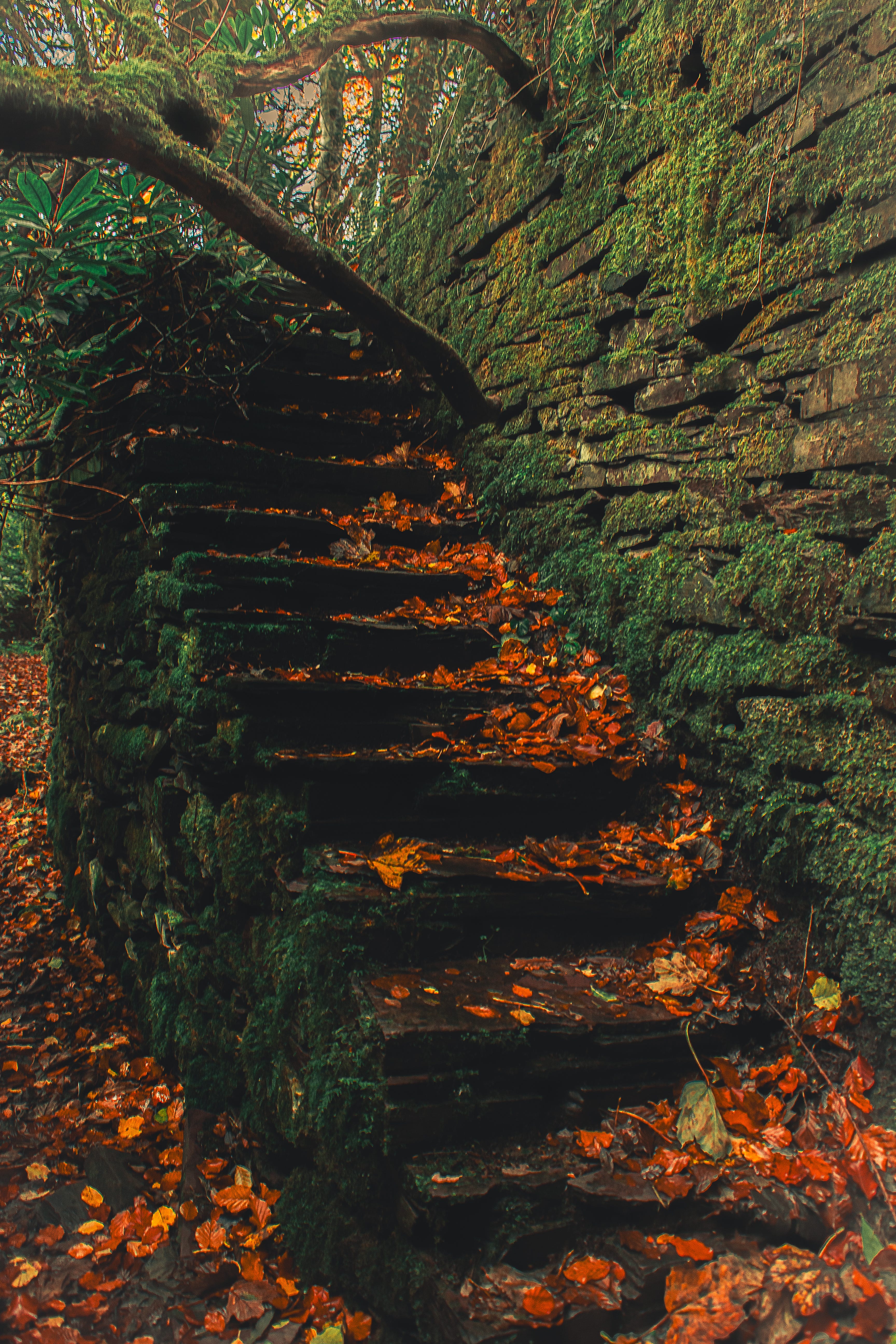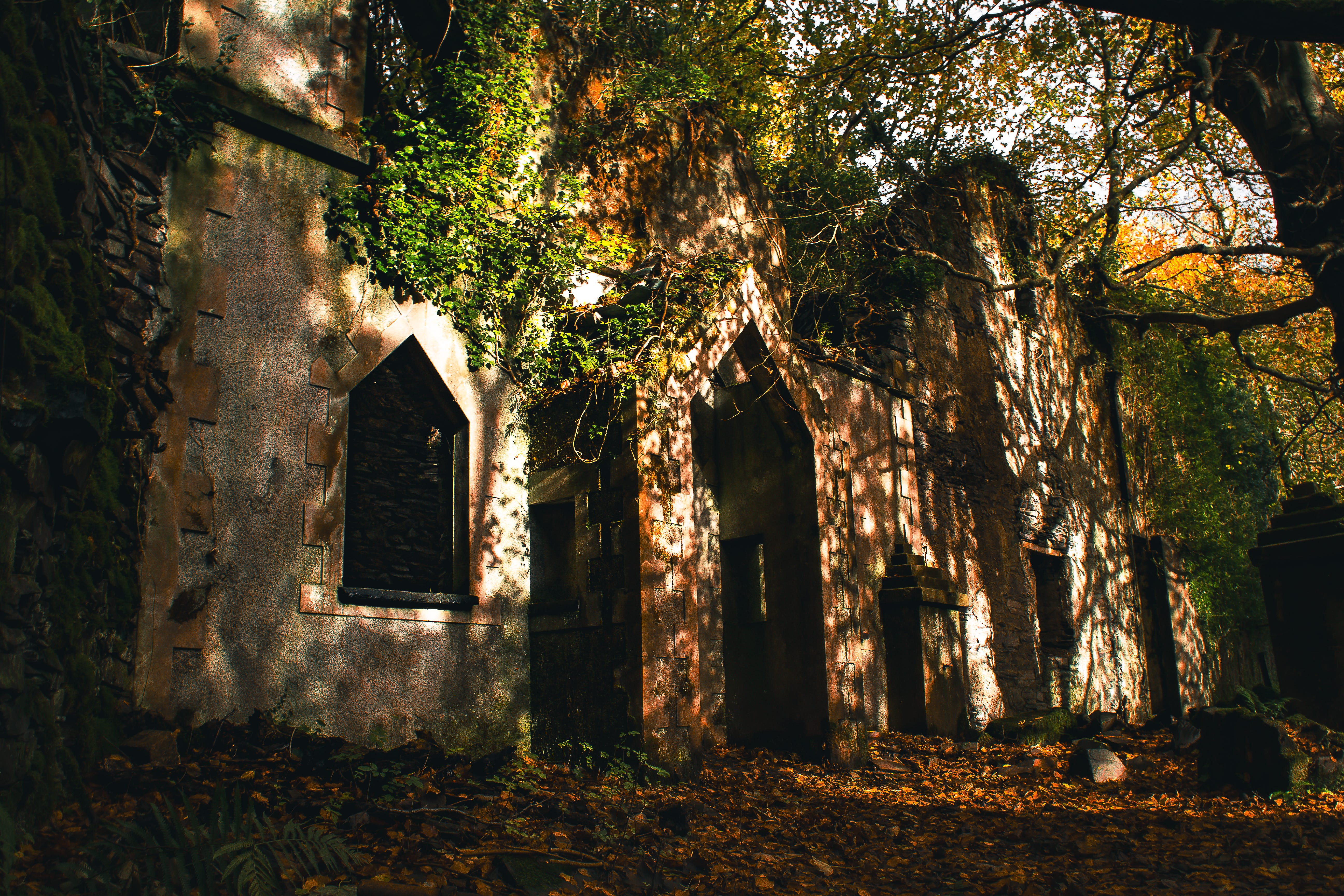
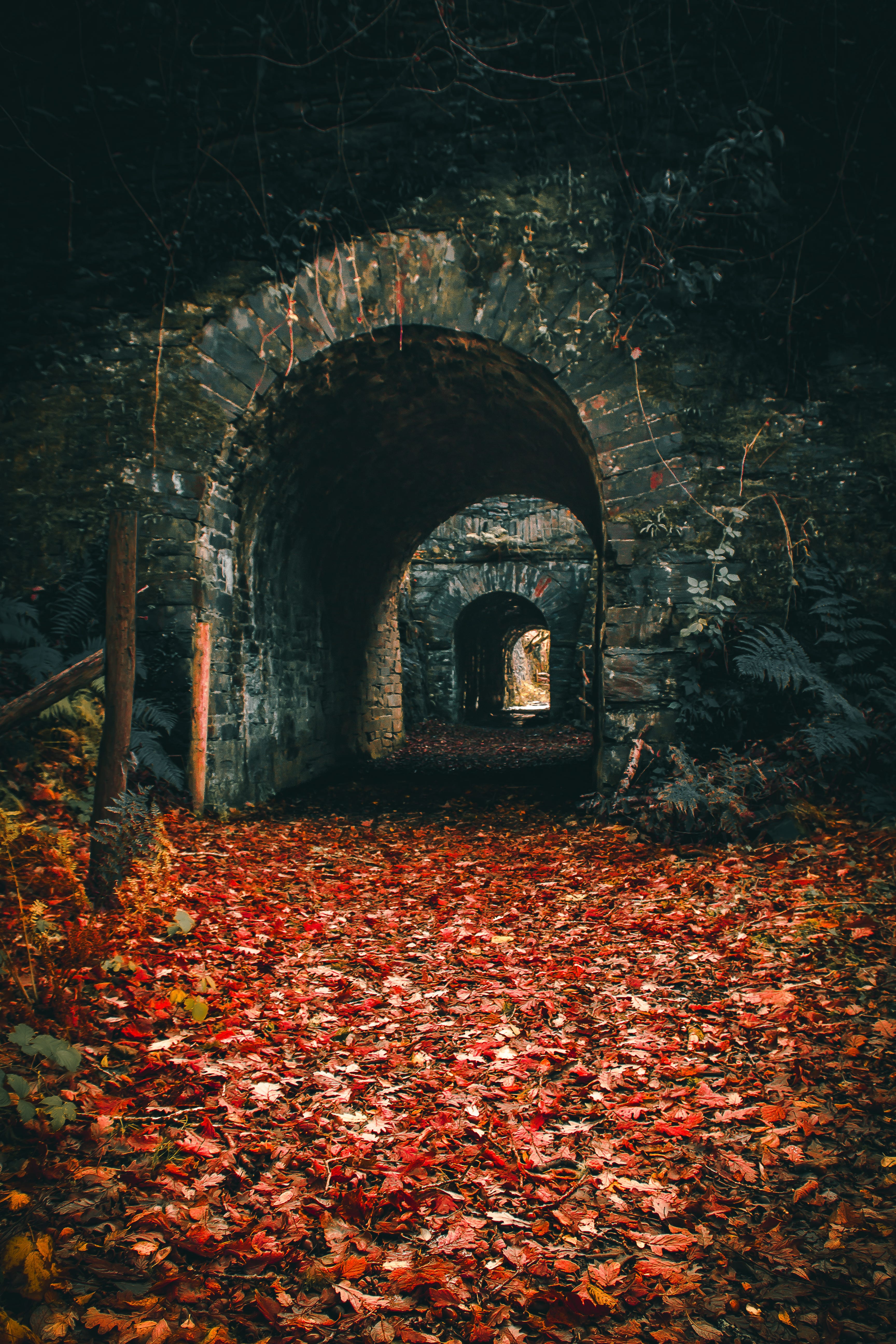
Nestled in the heart of Dyffryn Nantlle , Dorothea Quarry is a place where the past lingers in every stone. I’ve photographed this site before — its flooded pits, ruined buildings, and quiet grandeur — but on this visit, I wanted to just focus on the ruins of some of the more interesting buildings. Thinking Sociologically, however, What remains of Dorothea is not just stone and rust, but memory, industry, and a haunting beauty that speaks of both ambition and abandonment. It remains one of the most atmospheric industrial sites in Wales. now, with a 2-mile trail that winds past old buildings, tunnels, and the iconic beam engine house, it has a new lease of life as a space for tourism.
Slate and Struggle: The Industrial Heart of Nantlle
Dorothea Quarry began operations in the early 1820s, part of a booming slate industry that once “roofed the 19th century world.” Originally named Cloddfa Turner by William Turner, it was later renamed Dorothea, reportedly in honour of the landowner’s wife. By the mid-19th century, Dorothea had become the largest quarry in the Nantlle Valley, employing over 200 men and producing thousands of tons of slate annually.
Unlike the more accessible slate beds of Penrhyn and Dinorwic, the Nantlle slate lay deep beneath the valley floor. This required vast pits and constant pumping to keep water at bay. In 1904, a massive Cornish beam engine was installed — its red-brick engine house still stands today, a monument to industrial ingenuity and the sheer scale of the operation.
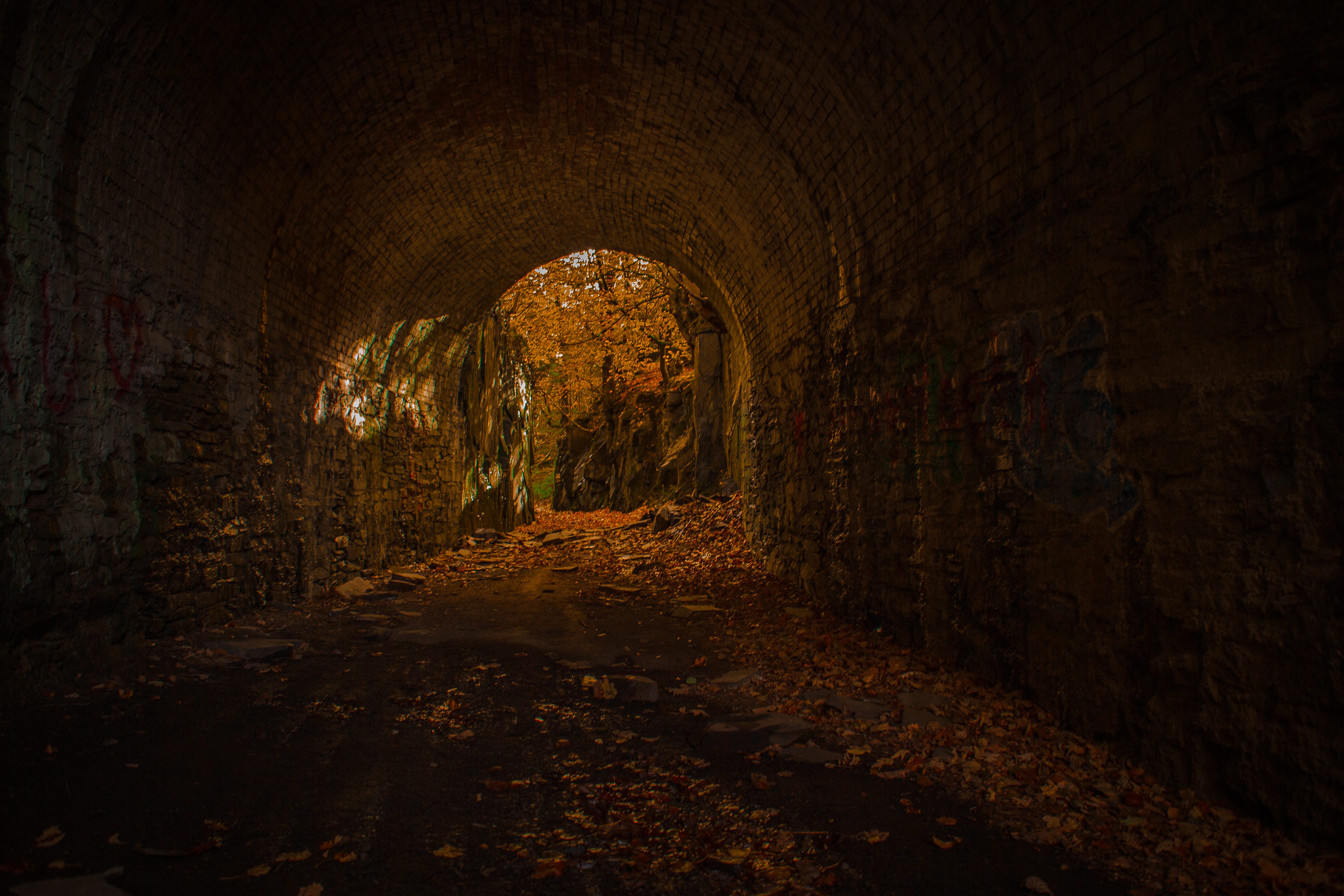
Now a designated UNESCO World Heritage Site, Dorothea’s slate was prized for its quality and exported across the UK and internationally. A network of tramways and the Nantlle Railway, opened in 1828, connected the quarry to the coast, facilitating global distribution. At its peak in the 1870s, Dorothea employed over 500 men and produced more than 17,000 tons of slate annually.
But the quarry’s success came with challenges. The depth of the pits, the cost of pumping water, and the difficulty of hauling waste rock made operations expensive. The fragmented ownership of land in the valley also led to a proliferation of small quarries, which struggled to compete with larger, better-funded operations elsewhere.
Ruins Reclaimed: Photographer’s Perspective
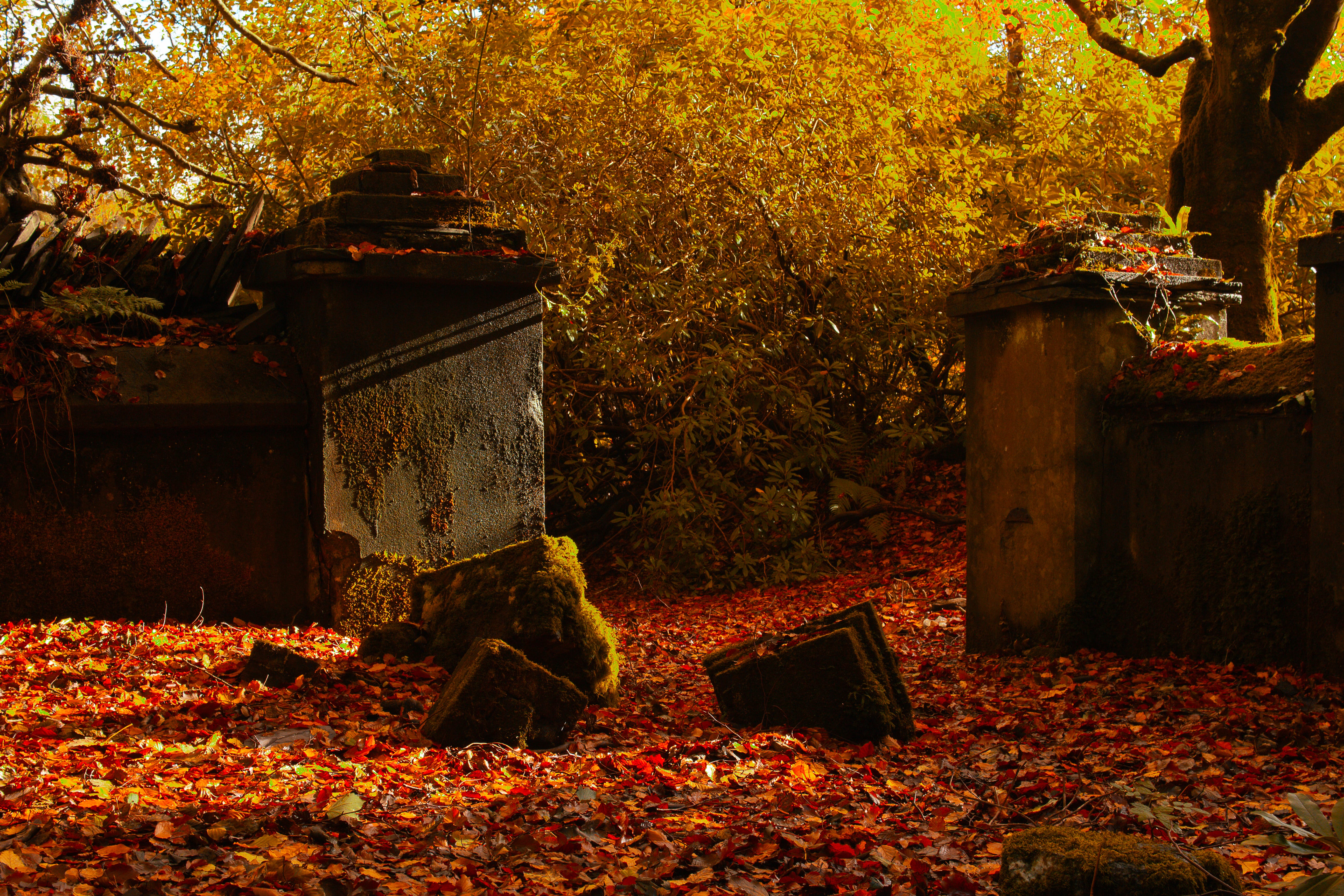
Today, nature has reclaimed much of the site. Moss creeps over stone walls, vines twist through broken windows, and the silence is punctuated by birdsong and tourists. The ruins—once dressing sheds, boiler houses, and tramway stations—now resemble something out of a forgotten world.
Photographing these ruins is reflective issue, as you think about what this place is (now) and what it once was. Each structure tells a story: of labour, of community, of decline. The textures—crumbling and rusting are rich with character. Light filters through gaps in the walls, casting shadows that shift with the passing clouds. It’s a place where time feels suspended, yet also continued. Changed.
From Industry to Adventure: Dorothea Today
Since its closure in 1970, Dorothea Quarry has transformed from an industrial powerhouse into a site of recreation and reflection. The flooded pits—some over 100 metres deep—have become a magnet for scuba divers, drawn by the quarry’s eerie underwater landscape and submerged relics. Diving here is strictly regulated and only permitted through the North Wales Technical Divers Club, due to the site’s depth and past fatalities.